Traffic Rules in India: Complete Guide to Traffic Safety laws, Motor Vehicle Act, & Road Discipline
Traffic Rules in India: Complete Guide to Traffic Safety laws, Motor Vehicle Act, & Road Discipline
Traffic rule awareness is important for every person who uses Indian roads. Whether you drive a car, ride a bike, run a small transport business, or simply walk on the road, understanding traffic rules in India helps keep everyone safe.
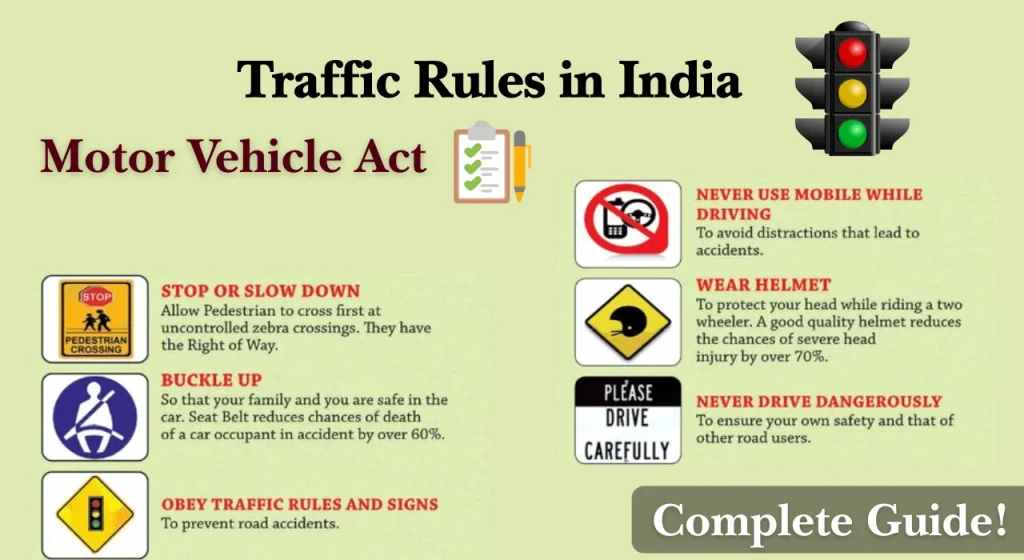
Road accidents happen every day because many people ignore basic traffic safety rules, traffic signal rules, and speed limits.
The Government of India has introduced stricter penalties and new traffic rules 2026 updates to improve road discipline. This guide explains traffic rules in a simple and easy way so that every Indian citizen can understand them.
Understanding Motor Vehicle Act
The Motor Vehicle Act forms the legal foundation for road safety and transport management in India. It explains the rights and responsibilities of drivers, vehicle owners, passengers, and transport authorities. Every road user should know the basic provisions of this law to avoid penalties and drive safely.
What Are Traffic Rules?
Traffic rules are legal instructions made to control vehicles and ensure road safety. These rules help drivers, pedestrians, and passengers use roads in an organised and safe manner. Following traffic rules reduces accidents, traffic jams, and dangerous situations.
Some common traffic rules include:
- Driving within the speed limit
- Wearing seat belts and helmets
- Following traffic light rules
- Avoiding mobile phone use while driving
- Stopping at red signals
- Giving way to emergency vehicles
- Carrying valid vehicle documents
Overview of the Motor Vehicle Act in India
The Motor Vehicle Act regulates transport and vehicle usage throughout India. It was introduced to improve road safety, vehicle registration, licensing, and insurance compliance.
The law includes rules for:
- Driving licences
- Vehicle registration
- Road safety measures
- Insurance requirements
- Pollution control
- Commercial transport permits
- Traffic fines and penalties
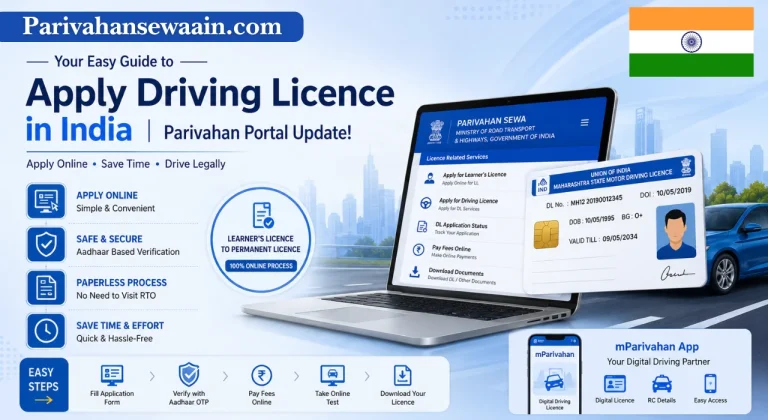
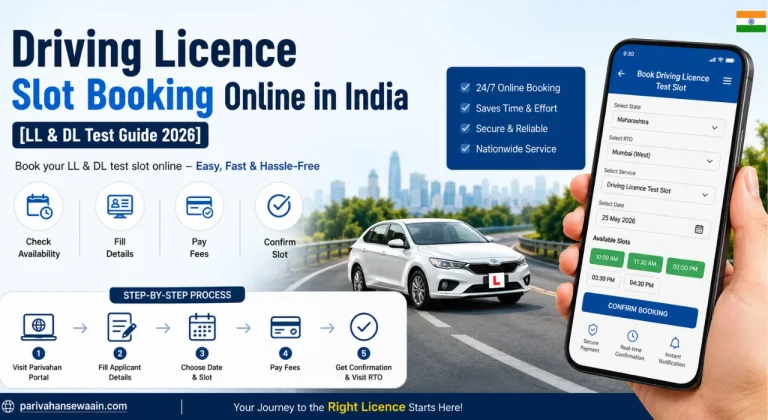
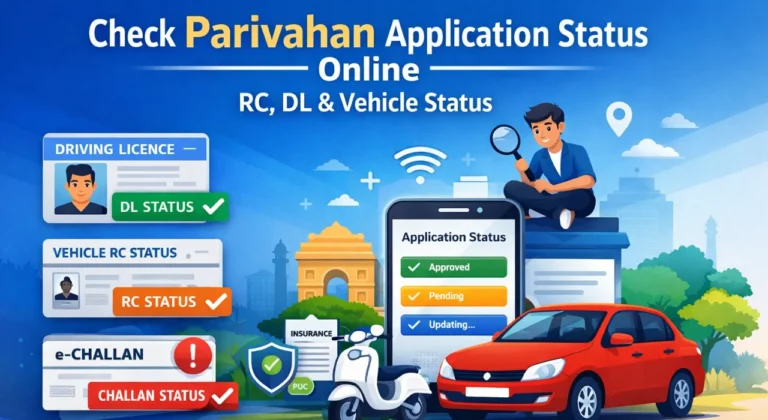
Citizens can access many transport-related services online through the official Parivahan Sewa portal. Services include:
- Driving licence applications
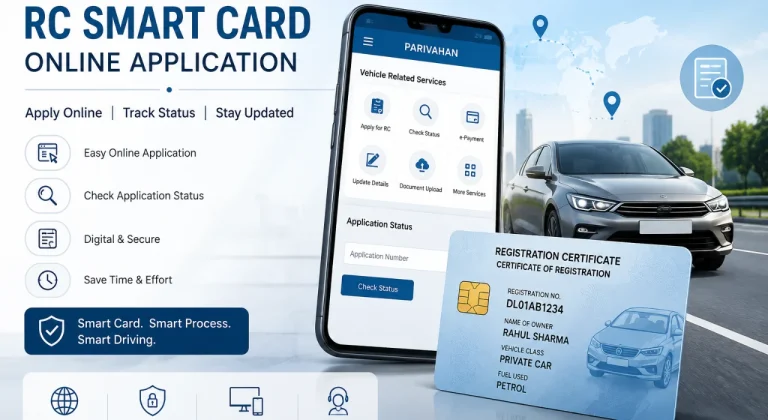
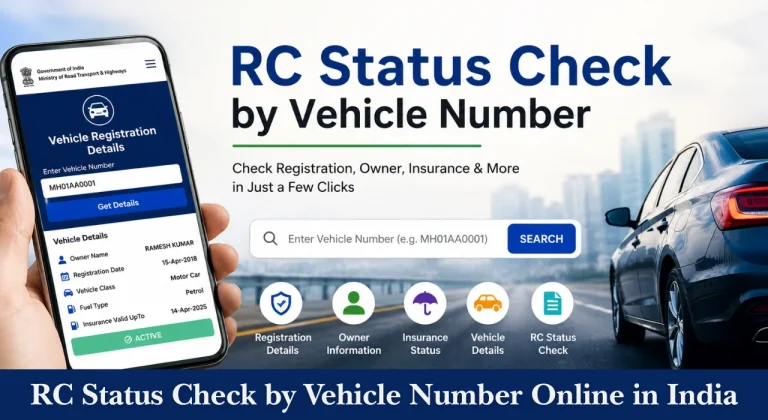
- Vehicle registration status
- Challan checking
- Permit applications
- Fitness certificate details
Official resource: https://parivahan.gov.in
Traffic Light Rules and Road Signs
Traffic lights and road signs help control vehicle movement and prevent confusion on roads. Drivers who understand traffic signal rules can travel more safely and avoid penalties.
| Topic | Essential Information | Examples / Key Rules |
| Traffic Light Rules | Drivers must follow traffic signal colours properly to maintain road safety. | Red: Stop before stop lineYellow: Slow down and prepare to stopGreen: Move only when safe |
| Road Signs | Road signs provide instructions, warnings, and guidance to drivers. | Mandatory Signs: No entry, speed limitWarning Signs: School zone, sharp turnInformatory Signs: Hospital, petrol pump |
| Road Markings | Road markings help organise traffic and guide road users safely. | Zebra crossings, stop lines, lane dividers, direction arrows, parking boundaries |
| Stop Line Rules | Vehicles must stop before the white stop line during a red signal. | Do not cross stop lines or block pedestrian crossings |
| Red Light Violations | Jumping red lights is a traffic offence and may generate e-challans through traffic cameras. | Wait patiently for green signals and avoid rushing during yellow lights |
| Lane Discipline | Drivers should remain in their lanes and avoid sudden lane changes. | Keep left while driving, overtake from the right side |
| Restricted Lanes | Certain lanes are reserved for buses or specific vehicles. | Avoid entering bus lanes and restricted highway lanes |
| One-Way Road Rules | One-way roads allow traffic movement in only one direction. | Never drive opposite to traffic flow |
| Expressway Rules | Expressways have stricter safety and speed regulations. | Follow speed limits, use indicators, avoid parking except emergencies |
| Safe Highway Driving | Maintain proper spacing and use road shoulders only during emergencies. |
Traffic Rules Chart for Indian Roads
A traffic rules chart helps drivers quickly understand important road safety regulations. Many schools, driving institutes, and awareness campaigns use such charts for teaching purposes.
Speed Limits for Different Types of Roads
Speed limits vary depending on the type of road and vehicle category.
| Road Type | Common Speed Limit |
| Residential Areas | 30 to 50 km/h |
| City Roads | 40 to 60 km/h |
| Highways | 80 to 100 km/h |
| Expressways | Up to 120 km/h |
Drivers should always check local signboards because limits may differ.
Safe Distance Between Vehicles
Maintaining safe distance helps avoid rear-end collisions. A vehicle moving too close may not stop in time during emergencies.
Basic tips:
- Keep at least a 3-second gap
- Increase distance during rain or fog
- Avoid tailgating
- Slow down in heavy traffic
Seat Belt Rules for Drivers and Passengers
Seat belts reduce the risk of serious injury during accidents. Indian traffic rules make seat belts compulsory for drivers and passengers.
Important rules:
- Front passengers must wear seat belts
- Rear seat passengers should also use seat belts
- Children should use child safety seats when possible
- Driving without a seat belt can lead to fines
Helmet Rules for Riders and Pillion Riders
Helmets are mandatory for both riders and pillion passengers on two-wheelers.
Helmet safety guidelines:
- Use ISI-marked helmets
- Fasten the helmet strap properly
- Replace damaged helmets
- Avoid half-covered unsafe helmets
Failure to wear helmets can result in fines and licence penalties.
Rules for Number Plates and Vehicle Identification
Vehicle number plates must follow legal standards issued by transport authorities.
Key requirements include:
- Clearly visible registration number
- Standard font and size
- No fancy or decorative plates
- Proper High Security Registration Plate where required
Tampering with number plates is a punishable offence.
Pollution Under Control (PUC) Rules
PUC certificates help control vehicle pollution levels.
Important points:
- Every vehicle must carry a valid PUC certificate
- Certificates should be renewed regularly
- Pollution testing can be done at authorised centres
- Driving without a PUC certificate can lead to fines
Vehicle Insurance Requirements
Third-party motor insurance is mandatory under Indian law.
Insurance helps cover:
- Damage to third-party property
- Injury to other persons
- Legal liabilities after accidents
Driving without valid insurance is illegal and may result in penalties.
Rules for Headlights and Hazard Lights
Headlights improve visibility during night driving and bad weather.
Drivers should:
- Use low beam lights in city traffic
- Avoid unnecessary high beams
- Use hazard lights only during emergencies
- Ensure all lights work properly
Misuse of high beams can disturb other drivers and increase accident risk.
Rules for Parking and Stopping on Roads and Expressways
Improper parking creates traffic congestion and accidents.
Avoid parking:
- Near intersections
- On zebra crossings
- On flyovers
- On expressway shoulders
- In no-parking zones
Always check parking signs before leaving your vehicle.
Essential Traffic Safety Rules Every Driver Must Follow
Traffic safety rules protect drivers, passengers, and pedestrians. Safe driving habits reduce injuries, financial losses, and legal problems.
Avoid Over-Speeding
Over-speeding is one of the biggest causes of road accidents in India. Driving beyond the speed limit reduces reaction time and increases crash severity.
Never Drink and Drive
Alcohol affects judgment, reaction time, and concentration. Even small amounts can make driving dangerous.
Always arrange alternative transport if you consume alcohol.
Avoid Using Mobile Phones While Driving
Unsafe actions include:
- Talking without hands-free systems
- Texting while driving
- Checking maps continuously
- Watching videos
Even a few seconds of distraction can cause accidents.
Avoid Rash and Dangerous Driving
Rash driving includes aggressive speeding, sudden lane changes, and careless overtaking.
Do Not Cut Off Other Vehicles
Sudden lane cutting can confuse other drivers and cause collisions.
Safe overtaking tips:
- Use indicators
- Check mirrors properly
- Maintain safe distance
- Return to lane slowly
Give Way to Emergency Vehicles
Ambulances, fire brigades, and police vehicles should get immediate passage.
Drivers must:
- Move to the side safely
- Avoid blocking emergency lanes
- Stay calm during emergencies
Keep Your Focus on the Road
Many accidents happen because drivers lose concentration.
Avoid distractions such as:
- Loud phone conversations
- Eating while driving
- Looking away from the road frequently
- Adjusting devices continuously
Avoid Driving on the Shoulder
Road shoulders are mainly for emergencies. Regular driving on shoulders is unsafe and illegal.
Leave Passing Lanes Open
Highways often have passing lanes for overtaking. Slow-moving vehicles should avoid blocking these lanes.
Good lane discipline improves traffic flow and reduces road rage.
Perform Vehicle Safety Checks Before Driving
Drivers should check:
- Tyre condition
- Brake performance
- Fuel level
- Lights and indicators
- Mirrors
- Engine oil
These checks are especially important before long-distance travel.
Rules for Vehicle Usage and Road Safety
Commercial vehicles, passenger vehicles, and private vehicles all have different responsibilities under Indian traffic laws. Transport authorities issue permits and fitness certificates to ensure vehicles remain safe for road use.
Commercial vehicles must follow permit conditions, loading limits, and regular fitness checks. Drivers should avoid overloading passengers or goods because excess weight affects braking and vehicle balance. Triple riding on two-wheelers is also prohibited under traffic rules in India.
Serious Traffic Violations and Penalties
Traffic violations can lead to heavy penalties under the Motor Vehicle Act. The government has introduced stricter fines under new traffic rules 2026 to improve road discipline.
Common Traffic Violations Under the Motor Vehicle Act
Common offences include:
- Over-speeding
- Signal jumping
- Driving without licence
- Driving without insurance
- Rash driving
- Mobile phone use while driving
- Helmet violations
- Seat belt violations
Many cities now use CCTV cameras and e-challan systems to monitor traffic offences.
Over-Speeding Penalties
Over-speeding penalties vary by vehicle type and location.
Possible consequences include:
- Monetary fines
- Licence suspension for repeat offences
- Increased insurance risk
- Accident liability
Drink and Drive Penalties
Drunk driving is treated as a serious offence.
Penalties may include:
| Offence | Possible Punishment |
| First Offence | Fine and/or imprisonment |
| Repeat Offence | Higher fine and longer punishment |
Breath analyser tests are commonly used during traffic checks.
Penalties for Dangerous and Rash Driving
Dangerous driving includes:
- Zig-zag driving
- Excessive speeding
- Ignoring signals
- Sudden overtaking
Illegal Racing and Stunt Driving Penalties
Street racing and stunt driving endanger public safety.
Authorities may:
- Seize vehicles
- Suspend licences
- File criminal charges
Penalties for Driving Without Insurance
Driving without insurance is illegal.
Possible penalties:
- Fine
- Vehicle seizure in some cases
- Legal liability after accidents
Penalties for Mobile Phone Use While Driving
Using mobile phones while driving may attract challans.
Traffic police may issue fines for:
- Calling while driving
- Texting
- Using handheld devices
Penalties for Signal Jumping and Traffic Light Violations
Red light jumping is monitored closely in major cities.
Consequences include:
- E-challan generation
- Fine payment
- Negative driving record
Penalties for Helmet and Seat Belt Violations
Authorities can issue penalties for not wearing helmets or seat belts.
These rules exist because protective gear saves lives during accidents.
Penalties for Overloading Vehicles
Overloaded vehicles increase accident risks.
Penalties may apply for:
- Excess passenger carrying
- Excess goods loading
- Unsafe transport practices
Offences by Juvenile Drivers
Allowing minors to drive is a serious offence.
Parents or guardians may face:
- Heavy penalties
- Vehicle registration cancellation
- Legal action
Traffic Rules Poster and Road Safety Awareness
Road safety awareness programmes help people understand traffic rules in India more effectively. Schools, transport departments, and traffic police often use traffic rules poster campaigns to educate children and adults.
Visual learning methods such as traffic rules drawing activities, traffic rules photos, traffic rules images, and traffic rules pics make road safety education easier to understand. These materials are commonly used during Road Safety Week and school competitions.
Many schools also teach traffic rules in hindi so that children from different regions can understand safety instructions clearly. Public awareness boards at roadsides, metro stations, bus stands, and highways also remind drivers to follow traffic safety rules.
Simple awareness messages often include:
- Wear helmets and seat belts
- Do not drink and drive
- Follow traffic light rules
- Avoid mobile phone usage while driving
- Respect pedestrians
Driving Etiquette and Responsible Road Behaviour
Good driving etiquette helps maintain discipline and respect on Indian roads. Responsible behaviour reduces stress, traffic conflicts, and accidents.
Responsibilities of Drivers on Indian Roads
Drivers have a legal and moral duty to drive safely.
Important responsibilities include:
- Following all traffic signal rules
- Keeping vehicle documents updated
- Driving carefully near schools and hospitals
- Respecting lane discipline
- Giving way to emergency vehicles
Drivers should also remain patient during traffic congestion.
Responsibilities of Pedestrians and Passengers
Pedestrians and passengers also play a role in road safety.
Pedestrians should:
- Use zebra crossings
- Follow pedestrian signals
- Avoid crossing highways carelessly
Passengers should:
- Wear seat belts
- Avoid distracting drivers
- Enter and exit vehicles safely
When You Should Not Drive
Drivers should avoid driving in unsafe conditions.
Do not drive when:
- You are tired or sleepy
- You consumed alcohol
- Your vehicle has brake problems
- Visibility is poor and unsafe
- You feel unwell
Resting properly before long journeys is important.
Safe Driving During Traffic Jams and Emergencies
Traffic jams often increase frustration and careless behaviour.
Drivers should:
- Stay calm
- Avoid unnecessary honking
- Follow lane discipline
- Leave space for emergency vehicles
- Keep emergency contact numbers handy
During emergencies, hazard lights should be used carefully.
How to Pay Traffic Fines in India
Traffic fines like ts e challan can now be paid online in many Indian states. Digital systems make the process simple and transparent.
Simple guidance for paying traffic challans:
- Visit the official Parivahan Sewa portal or state challan website
- Enter vehicle number or challan number
- Check pending fine details
- Verify offence information
- Make payment using UPI, debit card, or net banking
- Download payment receipt
Conclusion
Traffic rule awareness is necessary for every road user in India. Following traffic safety rules not only protects lives but also reduces traffic congestion and financial losses caused by accidents.
The Motor Vehicle Act and new traffic rules 2026 aim to improve road discipline through stricter penalties and better awareness. Drivers should follow traffic light rules, maintain proper vehicle documents, wear helmets and seat belts, and drive responsibly.
Digital platforms like mParivahan and the Parivahan Sewa portal have also made transport services easier and more accessible for citizens.
FAQs
What Happens If You Break a Traffic Rule?
Breaking a traffic rule may result in fines, e-challans, licence suspension, or legal action depending on the offence. Serious violations such as drunk driving or dangerous driving may also lead to imprisonment.
Is Wearing a Seat Belt Mandatory for All Passengers?
Yes, seat belts are mandatory for front passengers and are strongly recommended for rear passengers as well. Many states now strictly enforce rear seat belt rules.
Can You Drive Without Original Documents?
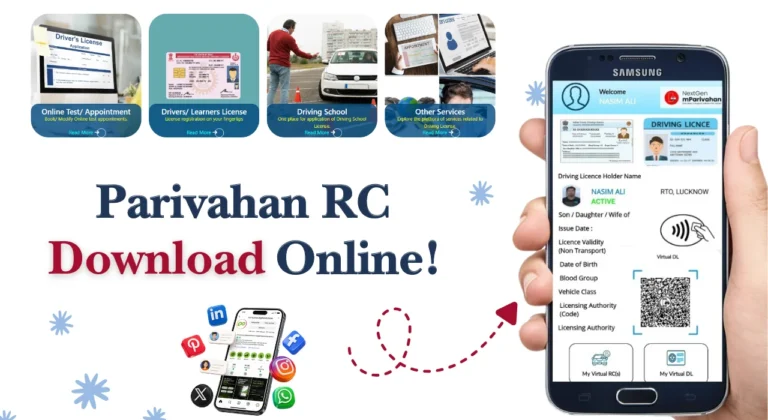
Drivers can often show digital documents through authorised apps like mParivahan if accepted by local authorities. However, all documents must remain valid and updated.
How Often Should Vehicle Insurance Be Renewed?
Vehicle insurance should be renewed before expiry. Third-party insurance is mandatory for all vehicles under Indian law.
What Are the Penalties for Driving Without a Licence?
Driving without a valid licence may lead to heavy fines, vehicle seizure, and legal penalties under the Motor Vehicle Act. Repeat offences may result in stricter punishment.